
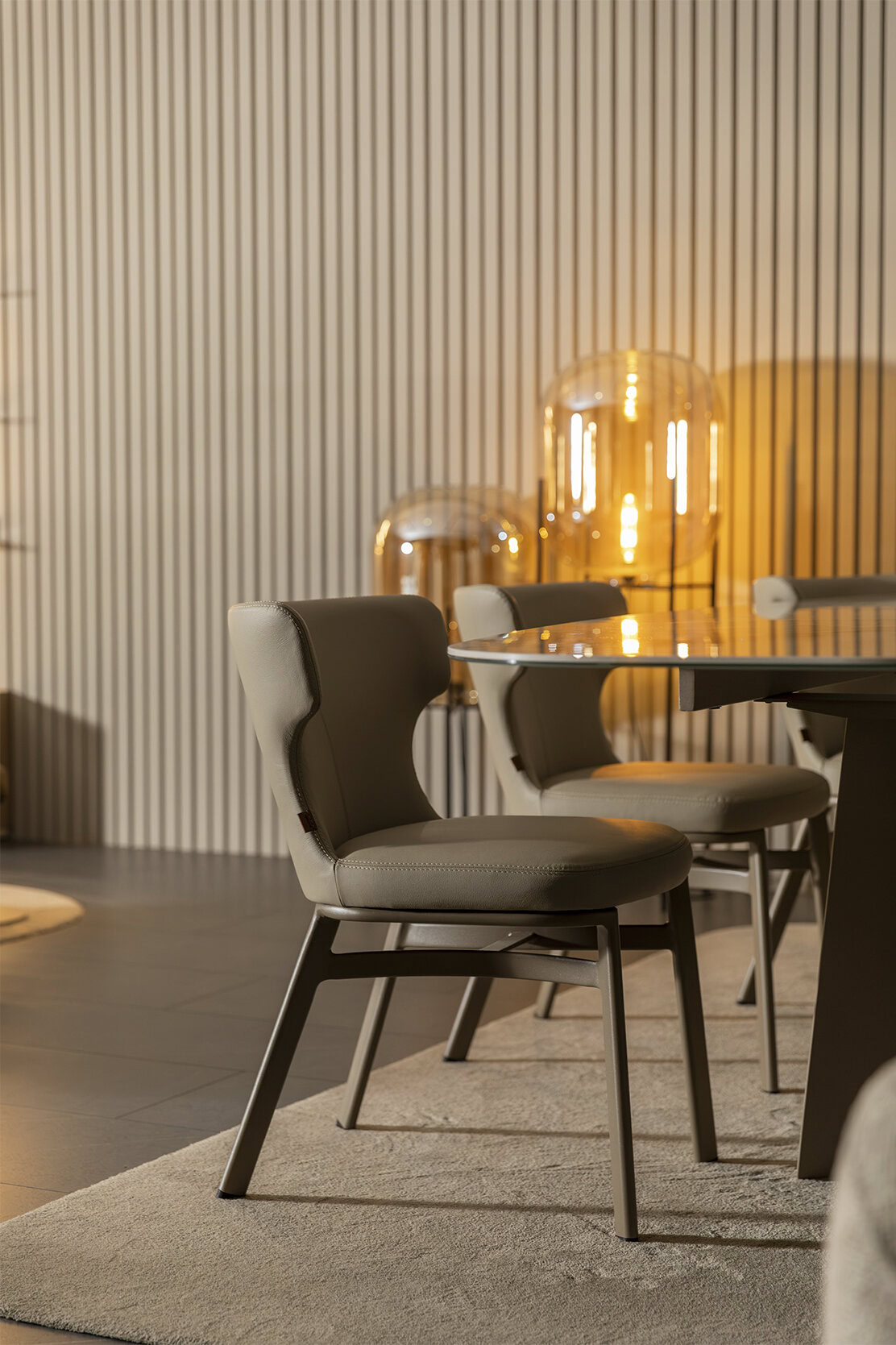
In 2026, furniture is giving contemporary interiors a more personal, expressive character. Comfort is central to the conversation, joined by an interest in texture, adaptable layouts and distinctive details. Read together, this year’s Milan presentations suggest a home shaped around everyday rituals, with pieces that invite people to sit, gather and stay.
Soft modernism offers one way to bring these ideas into a living room. Low sofas, rounded armchairs and generous upholstery introduce a relaxed rhythm, while modular arrangements allow seating to follow the proportions of the space. Separate elements can form an intimate conversation area or a more open setting for entertaining. Tables at different heights add flexibility, keeping useful surfaces close to hand.
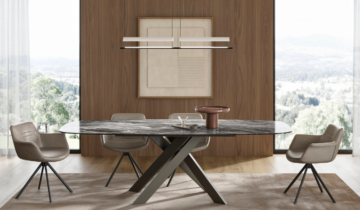
Dark walnut and richly figured woods are gaining attention, giving tables, cabinets and seating frames a warmer presence. Grain, knots and subtle variations become part of a piece’s identity. The renewed appreciation for craft also encourages a closer look at construction and finish: the meeting of two surfaces, a carefully shaped edge, or the small irregularities that reveal a maker’s hand.
Soft industrial influences bring another dimension, exploring the interplay between comfort and structure. At Milan Design Week, lacquered frames and architectural bases gave upholstered seating a more defined outline. Metal also appeared in rounded forms and alongside tactile fabrics. These combinations open up an expressive approach to contemporary style, bringing polished surfaces, precise lines and inviting cushions into the same composition. A lacquered armrest or reflective table base can become a focal point within an otherwise quiet arrangement of furniture.
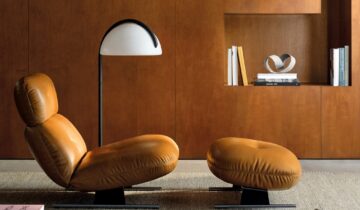
Colour adds further depth. Chocolate, terracotta and ochre sit comfortably within the richer earth palettes seen in Milan, while stronger accents introduce moments of energy. For a restrained interpretation, consider a warm neutral sofa beside a walnut table, then introduce colour through a single armchair or upholstered ottoman. Repeating that tone in a smaller detail can give the room continuity.
To bring these directions home, begin with how you want a room to feel and function. Choose a central piece with a distinctive shape, then build around its scale, materials and colour. Leave space for an inherited object, a favourite book or an unexpected detail. These personal choices give a considered interior its most lasting character.
 No products in the cart.